

The World Bank, in its latest release of the Yemen Economic Monitor report dated October 31, 2024, stated that the Yemeni economy is facing a series of challenges as follows:
- The Yemeni economy continues to face worsening challenges as the prolonged conflict, political fragmentation, and escalating regional tensions push the country further into a more acute and severe humanitarian and economic crisis.
- Yemen's gross domestic product (GDP) is expected to contract by 1% in 2024, marking a continued decline following a 2% decrease in 2023. This will further deteriorate real GDP per capita, with a total drop of 54% since 2015.
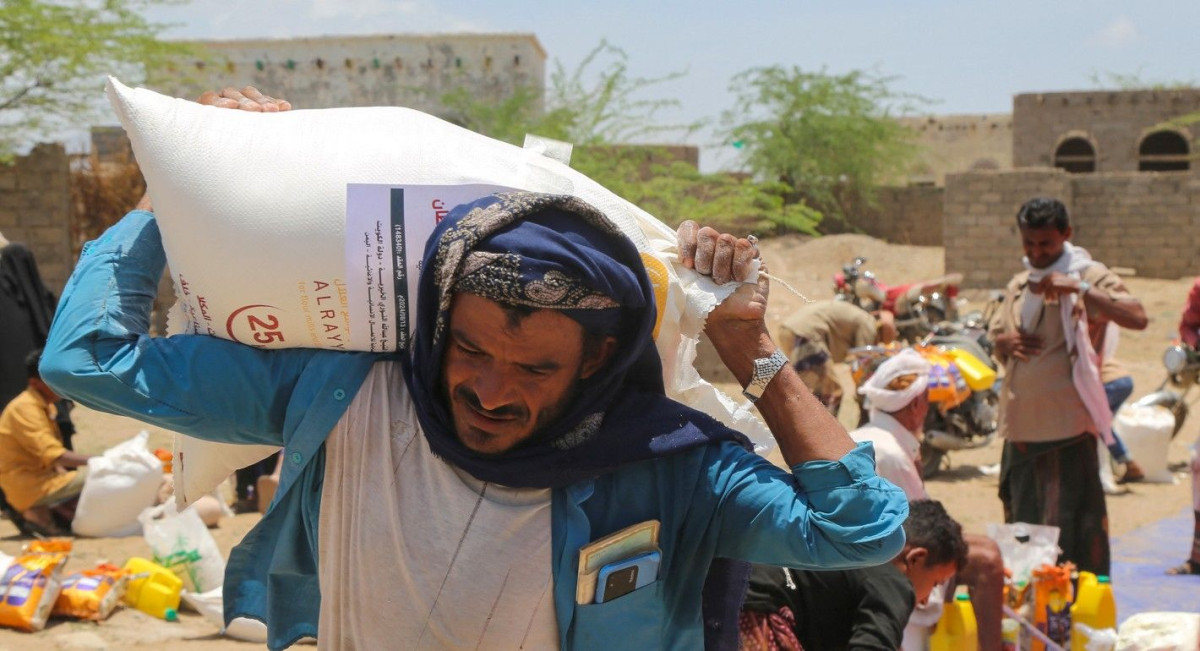
- The conflict has driven most Yemenis into poverty, while food insecurity has reached unprecedented levels, with over 60% of the population struggling to access adequate food.
- The ongoing blockade imposed by the Houthis on oil exports has reduced the internationally recognized government's financial revenues by 42% during the first half of 2024, preventing it from providing basic services to the population.
- The suspension of oil exports by the internationally recognized government, coupled with heavy reliance on imports, has intensified external pressures, leading to a depreciation of the Yemeni rial in Aden’s market from 1,619 rials per dollar in January 2024 to 1,917 rials by the end of August.
- Phone surveys conducted by the World Bank revealed that severe food deprivation has more than doubled in certain governorates.
- Economic fragmentation between Houthi-controlled areas and those under the internationally recognised government continues to worsen. Disparities in inflation rates and exchange rates undermine the foundations of stability and future recovery efforts.

إخلاء للمسئولية: تعبّر وجهات النظر المذكورة عن آراء كاتبها ولا تعكس بالضرورة وجهات نظر المركز أو فريق العمل.